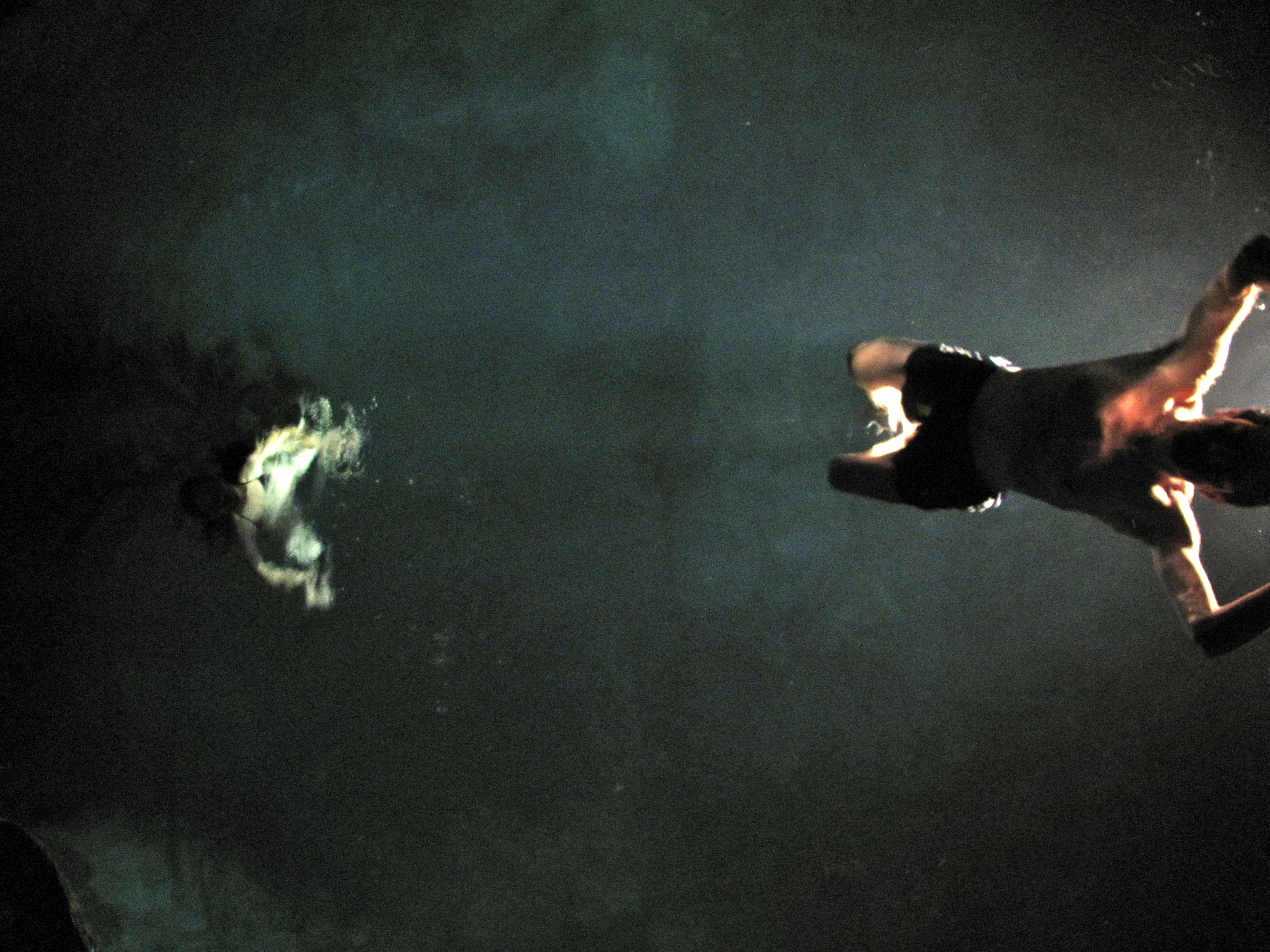
 Instead of going to Art Basel Miami, Abbey Shaine stays in New York, intent on quiet indulgence. Coming off a big night with contemporaries who seem to be doing much better than herself, an impression that keeps her holding on till 5am, hungry to find out what makes her so different from these others: the ones who own production companies, who have fixed significant others, who do MDMA on a week night, but just a little.
Who are these socially and professionally successful beings? Abbey ended up at a dive bar with two of them. She lives in the city, the Upper East Side compliments of a “Family Friend.” They live in Williamsburg. They inhabit different worlds, with different languages and cultures. The two men buy her drinks, pointing out that if she was a Williamsburg chick they wouldn’t, but UES implies a lady. They grow theatrical, or maybe they began that way, and treat her like Lauren Bacall in Key Largo and she happily plays the part.
The night ends with Abbey Shaine, alone, at home, plowing through a bag of cheese puffs, scraping the top of her mouth, while mulling over the evening. At 11 am she wakes up not-in-Miami. Not-in-Miami means going to get the haircut she did herself over her toilet a few weeks ago professionally adjusted. Not-in-Miami also means taking advantage of the salon’s close proximity to the Angelika Theater on Houston and dropping off old rolls of film foraged from a childhood bedroom drawer. It’s a day of anticipation instead of art-fair feigned enjoyment. 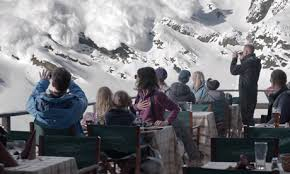 Force Majeure. The critics like it. Abbey Shaine buys a ticket.
The opening scenes are set high in the French Alps. Drone like establishing shots of aggressive, white peaks to a lyrical Shostakovich-esque soundtrack introduce Abbey to the inhospitable beauty of this film. The cocktail of threat and majesty remind Abbey of something she saw in Kassel Germany, a few summers ago.
The artist Tacita Dean produced a series of large-scale chalk drawings on the walls of a two story former tax building in the German town of Kassel. The drawings were painfully beautiful and depicted the mountain range of the Hindu Kush. Notes in the artist’s hand, just a few words here and there, described the extreme weather systems that ravaged the area. The drawings follow the chronological lapse of time as the Kabul River crashes through the mountains flooding the landscape. “Violent yet quiet,” that was how Abbey described the drawings.  Abbey was living in Germany at the time. Living with Jan near Hamburg. They met dancing in Paris at David Lynch’s bar Silencio in its early days of being open, when potential still seemed infinite and to be there was to engage in the momentum of something exciting and fast. She moved in with Jan within a month, abandoning her shitty 9th arrondissement apartment and moving into his vast design atelier in Finkenwerder.
 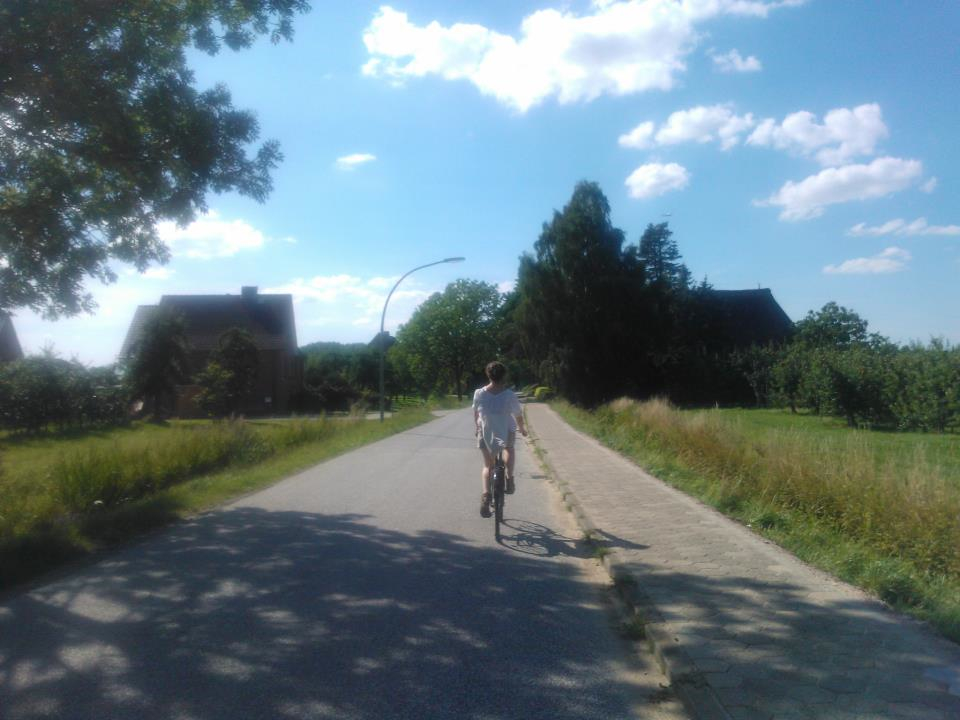 “Go bike along the deich.” He’d encourage. Abbey grew up in Philadelphia in the 90’s, where to have a bike meant being mugged for your bike. So, ambling about the deichs of a small agrarian German island felt like a version of success. She had gone far, far away. It was alien and it felt good. Being Jewish made it feel deliciously transgressive as well. When Abbey arrived in Finkenwerder in late July she had a cold, was suffering from asthma, and, as Jan diagnosed, was in desperate need of a haircut—a theme in Abbey’s life. On her second day in the foreign land he made a number of appointments for her with his doctor, his acupuncturist, and his hair stylist. He handed her a map and the list of engagements. Lost in the winding streets of Hamburg and lulled by the wide Elbe, Abbey abandoned the appointments and napped in the park. The relaxation and clean German air washed her lungs from the Parisian oppression; the asthma subsided. She returned by ferry late that afternoon to the atelier she and Jan called home.
“There’s hair everywhere!” He screamed in a British accented version of English upon her entrance.
“Everywhere! You don’t understand the terror you have brought with you! I see everything that has fallen out of place or apart since your arrival! And you are sun burnt! Are you stupid? You are stupid!”
“I fell asleep in the park…” Abbey offered, while she emotionally and physically withdrawing from the shouting Jan.
“And the doctor! She called! You never showed up!”
“The subway wasn’t running properly and I tried…”
He interrupts, “Tried! You organize! Last night you should have been googling public transport and mapping the routes! You aren’t rich! There are no taxis for you! I am rich. I have the freedom to be lazy with this. You do not!”
Abbey open-palm slapps Jan shut from on high, hitting the upper portion of the left cheekbone where it edges on the ocular cavity. A burst of adrenaline and satisfaction flush her cheeks.
He apologizes. They make love. She cries a little.
The next day they’re supposed to go to Kassel together to see dOcumenta, the art fair. Instead, Jan drops her at the train and tells her to text him with her return details. He has things to do. And he hates conceptual art. Found it pointless. In Kassel, being a lone Jew feels less victorious than it had biking the orchards of Finkenwarder. The city is grey and depressed. Abbey wanders, visiting the exhibitions that inhabit dozens of municipal building across the city. She finds Tacita Dean’s space of quiet illustration. She experiences the drawings as contemplative and spacious. The work gives space to fury and a delicacy to violence.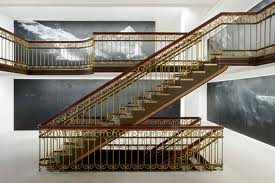 Isn’t it true that as humans, we experience everything to the scale of ourselves? Disasters are measured by the amassing of individual casualties to reach a multitude or holocaust. In Dean’s installation, the only people are those wandering through the space, looking close, then backing up to look again. The only human presence within Dean’s work is found in the smudges and letters executed by her own hand.
  Force Majeure opens with the same landscape of impending, natural disaster. Nestled in the range is the lotus of human suffering; the ski resort. The only man made structures, looking concrete, aggressive, but still fragile against the impossible, white mountain range. The contraptions that keep the slopes sloped and operable for skiers look like objects of man-made self-aggression. The film offers a flavor of self-loathing reminiscent of a Lars von Trier. There’s a uselessness and smallness to humans made devastatingly obvious against the inarguable strength of the mountains.
Abbey examines Dean’s wallpaper-like depiction of the Hindu Kush. It is the majesty of these mountains that awes us and reminds us of our utter insignificance. No matter what, they will outlast us. Abbey stretches her limbs to feel herself alive and just as effective at taking up space as the depicted mountains before her. 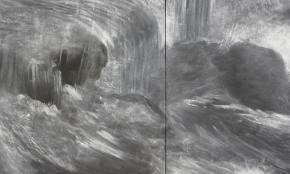 Kassel was the sight of the deadliest air strike from the allied forces during World War 2. Thousands died while the city burned for a week. A Dachau sub-camp was located in Kassel. Abbey’s relatives, almost all of them, were sent to Poland to be worked to death. She was unsure, while wondering the streets of Kassel trying hard to picture the place as it had been under the Führer, if her feelings of loss and victimization were geographically appropriate and really hers to feel.
Force Majeure renders all human emotions ridiculous. The men are insecure and cowardly. The women are petty and provocative. The question the film asks, a late night rhetorical, is if some terrible natural disaster were to befall you and your family, what would you do? Save yourself? Protect the ones you love? It’s a fun game to play. Sitting in the dark theater, Abbey runs through the men she has been with. They occupy three categories: those who would run; those who would protect her out of love; and those who would protect her knowing that they would be saving their egos and self-evaluation in the process, should it all work out and all. The man Abbey is currently seeing is the only man to fall into the middle category, the selfless hero. She doesn’t love him though.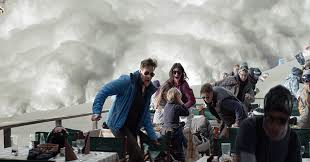 In Force Majeure a ginger-haired mountaineering looking man with a sizeable paunch points out that the real enemy is the mythological male hero, which no man can live up to. The female lead, playing out the protective mama bear stereotype, rises to meet the avalanche that threatens the lives her and her family, protecting her children without hesitation.
Abbey watches skeptically, “are women not against the same heroic stereotype?” The feminist and brat in Abbey asserts her right to be as selfish and cowardly as the leading male character in the film, who flees, abandoning wife and children.
In 2001 Abbey’s a model backstage at the Donna Karen fashion show when word circulated that something strange had happened in the financial district. It took 10 minutes for a linear story to emerge: a plane crashed into one of the World Trade Center buildings. Apparently a second had just hit the other tower.
Abbey rode into the city that morning from Carroll Gardens with her older sister. Dropping her in the Financial District, where she worked at one of those way-before-it’s-time online startups. In a sea of Russians and makeup artists, bile rose in Abbey’s throat. If her sister was going to die and her world forever changed, damnit to all hell, it would not happen surrounded by these assholes.
Abbey ran out of the Herald Square tents and darted down Broadway. Calling her sister’s office and cell. The inimitably annoying busy signal sounding with every attempt. Somewhere around Canal Street the top portion of the first tower pancaked, one floor smacking to the next. Abbey froze. She met the gaze of others, who for their own reasons were following the impulse to rush towards the disaster. Abbey Shaine did something peculiar, something she never told anyone about. She ran into a bodega, bought a disposable camera. On the street she continued to run south, but this time looking through the small oculus of the gaze finder, snapping.
When the air around her became thick with debris and her lungs near exhaustion, she stopped and looked up. The tower, still partially erect, gave up and collapsed. The sound was deafening, more harrowing was the rush of cement and material that was devouring the world. Those still on the street, the ones not already running north, froze. This is the moment in the movie when you run, Abbey Shaine concluded. That split moment decision to run or seek shelter plays out in Force Majeure.
If Abbey Shaine had kids, like she had a sister, she probably would die in an effort to save them before giving up, she concedes. It took her weeks before she stopped coughing up grayish matter. She was still hacking while walking the runway shows in Milan and Paris in the weeks that followed September 11th.
She lost that camera in a series of moves from borough to borough but finally unearthed it back in Philly with a bunch of other undeveloped rolls of miscellaneous origin.
Force Majeure wraps as it began, with the premise that people, men and women alike, are feeble and reliant on the lies we tell others and ourselves. Is it true? Next to the absolute, immutable, reality of the mountains, the nature of man seems inconsequential and disaster’s produced by nature or ourselves provides the stage upon which we act out who we are or who we want to be perceived as being. And all of it is of dubious consequence; small dramas lost in the shadow of the mountain.
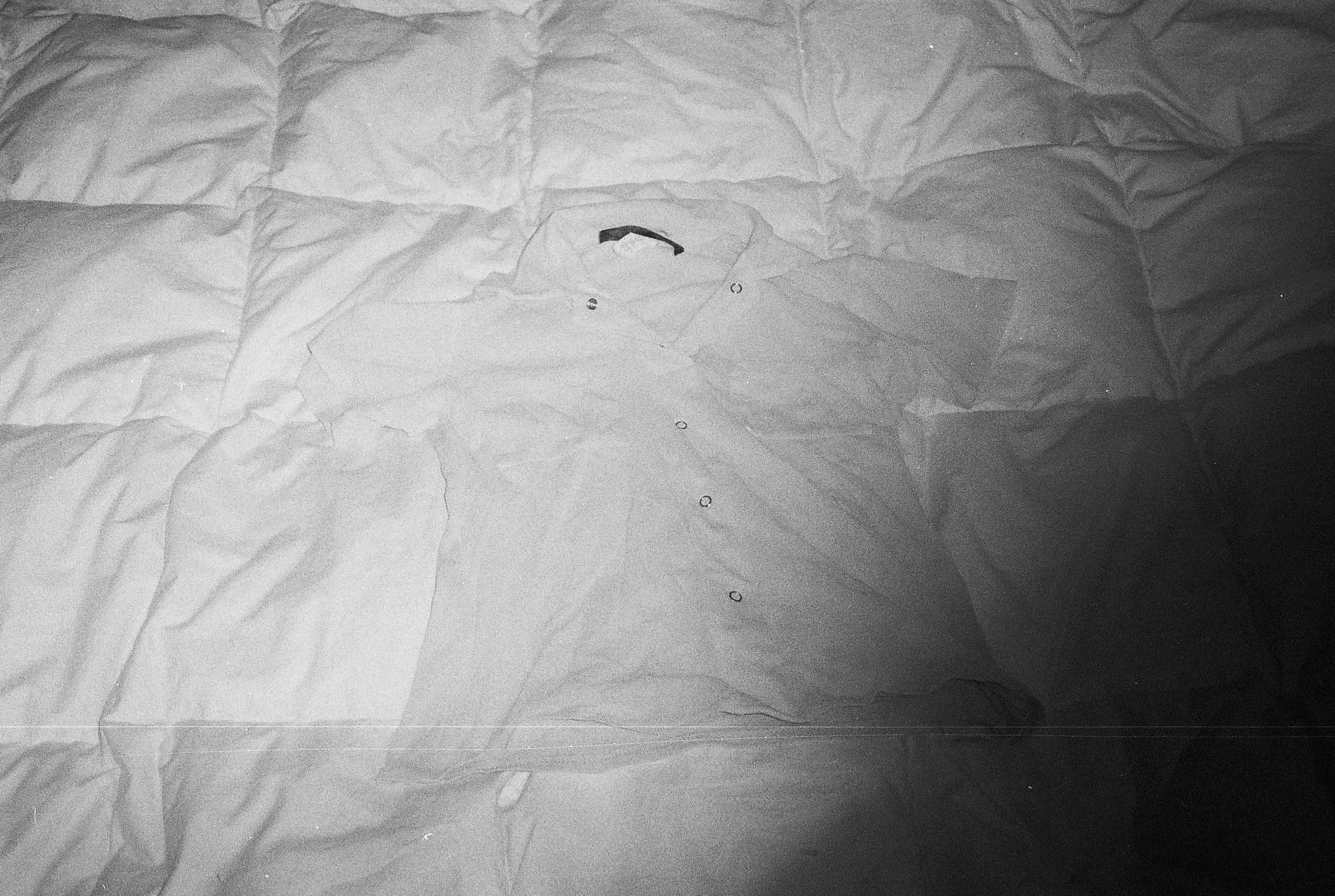
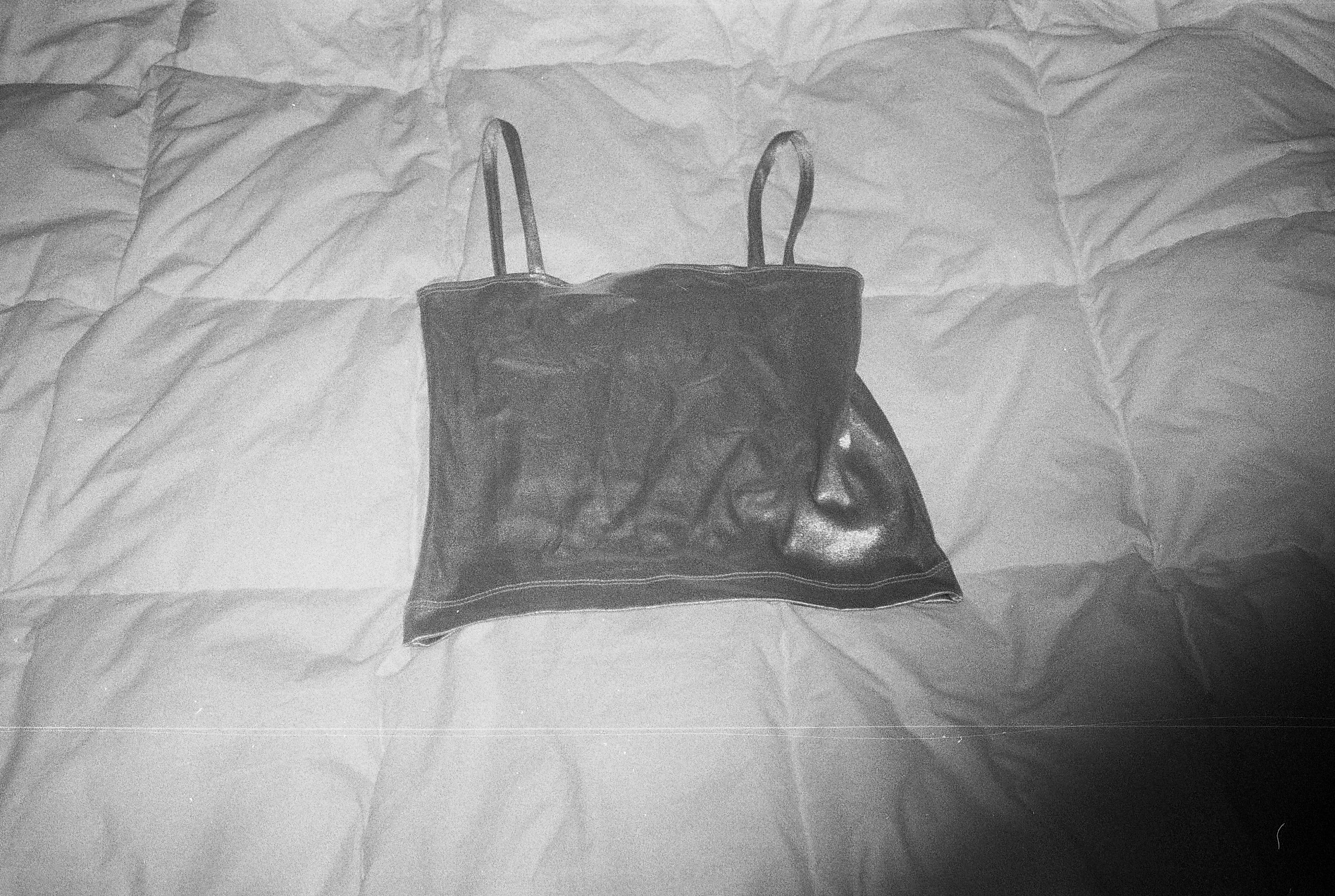
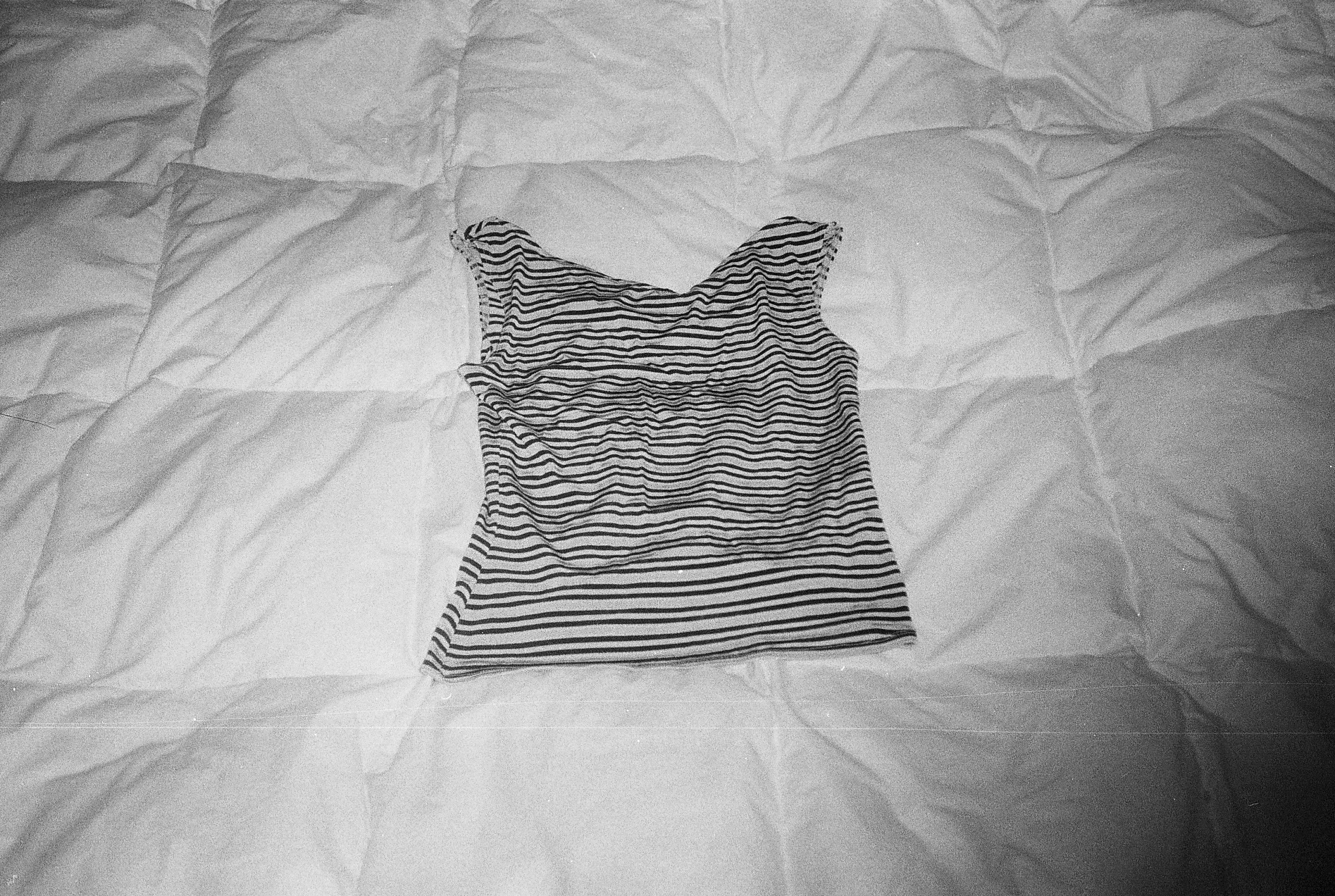
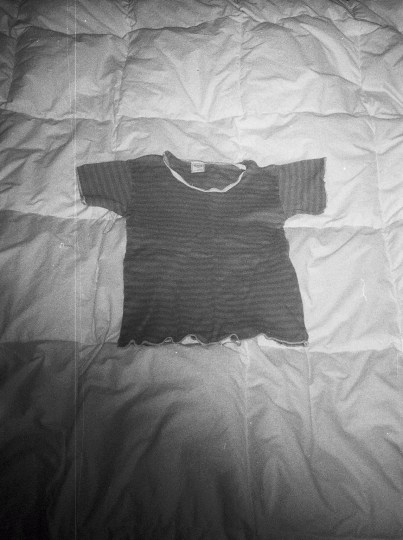
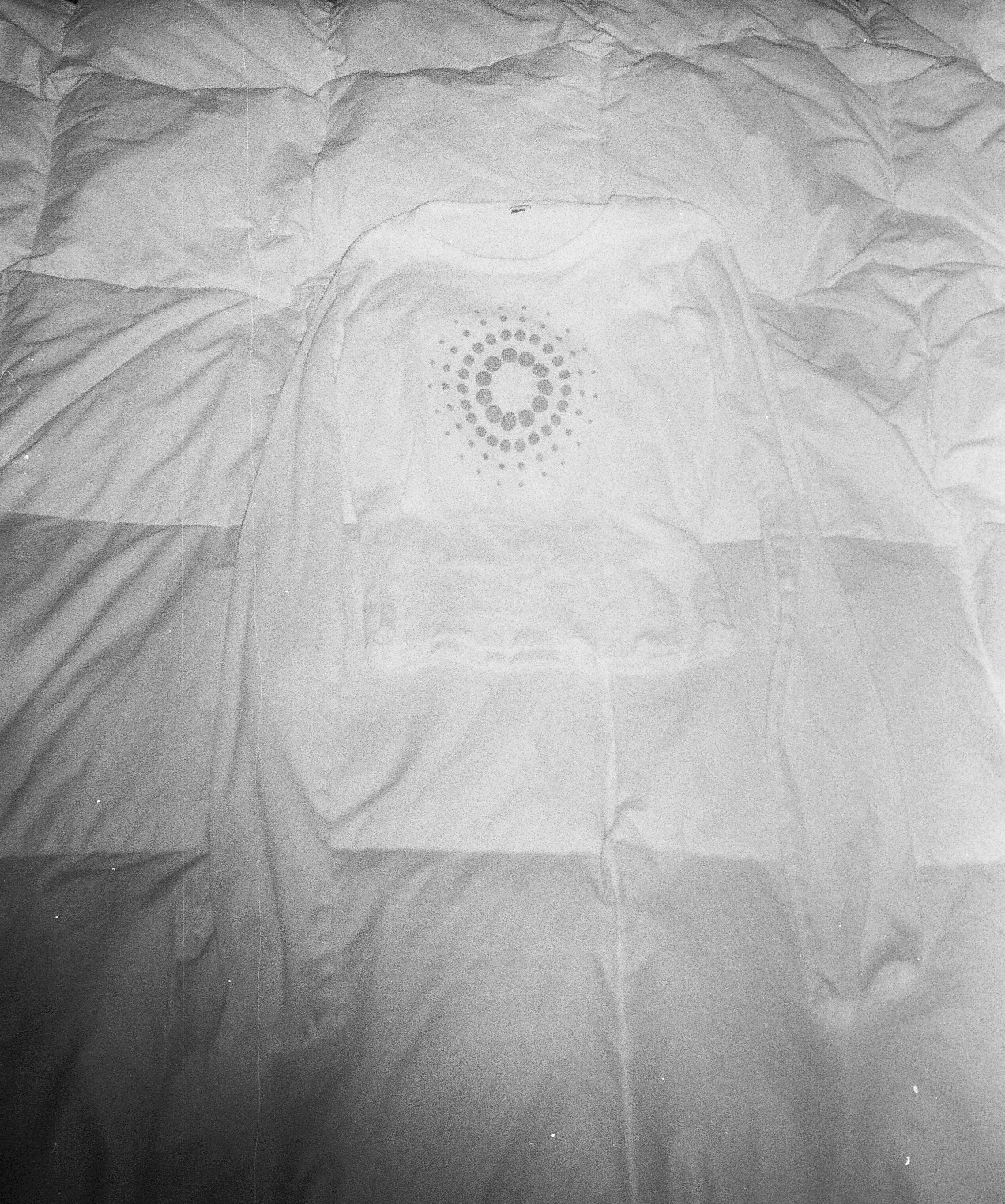
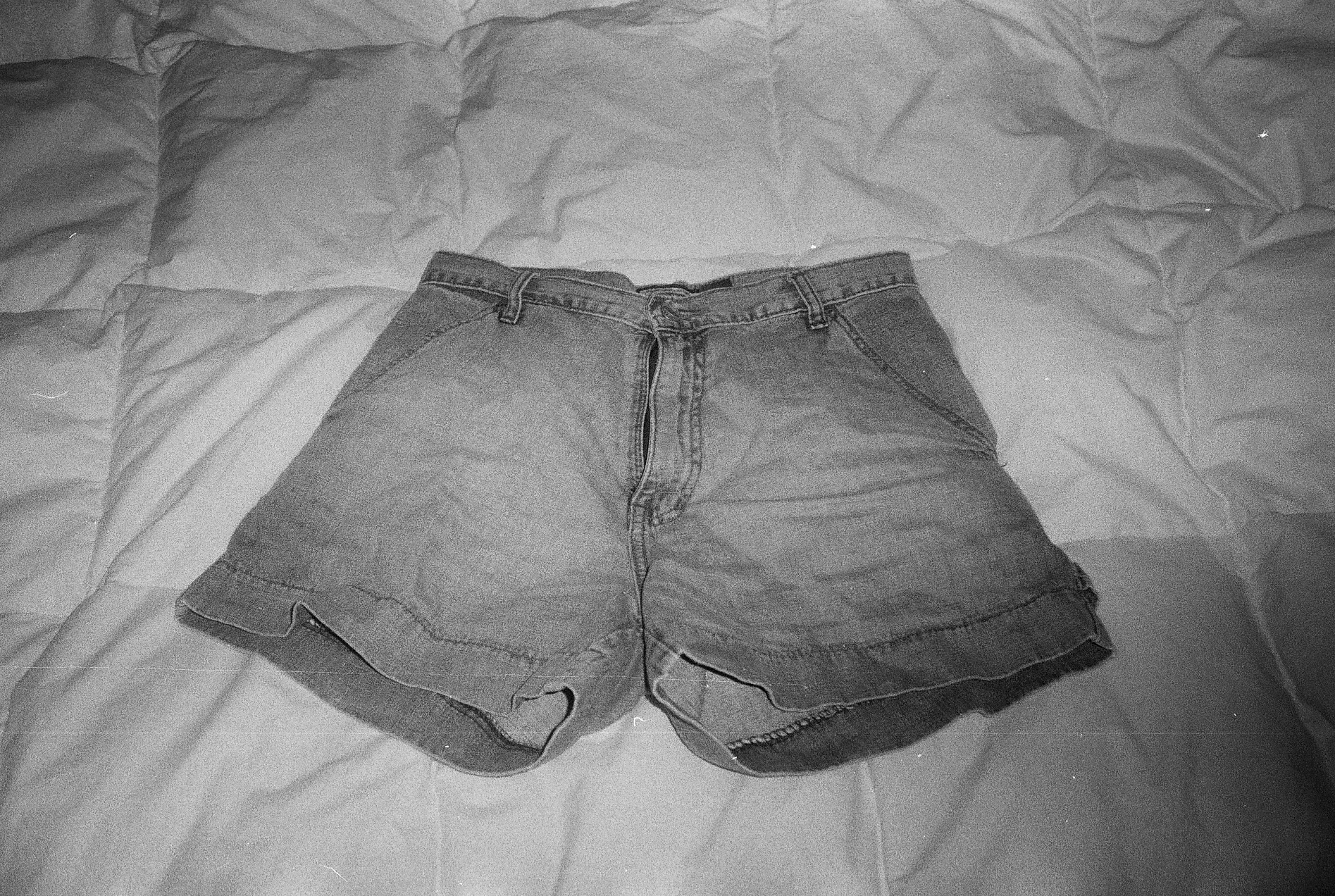
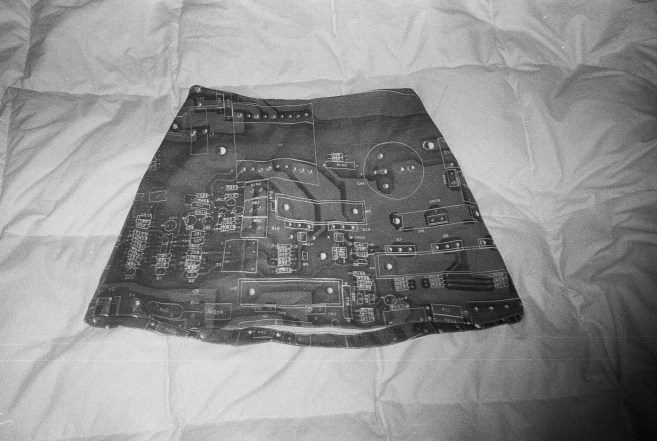
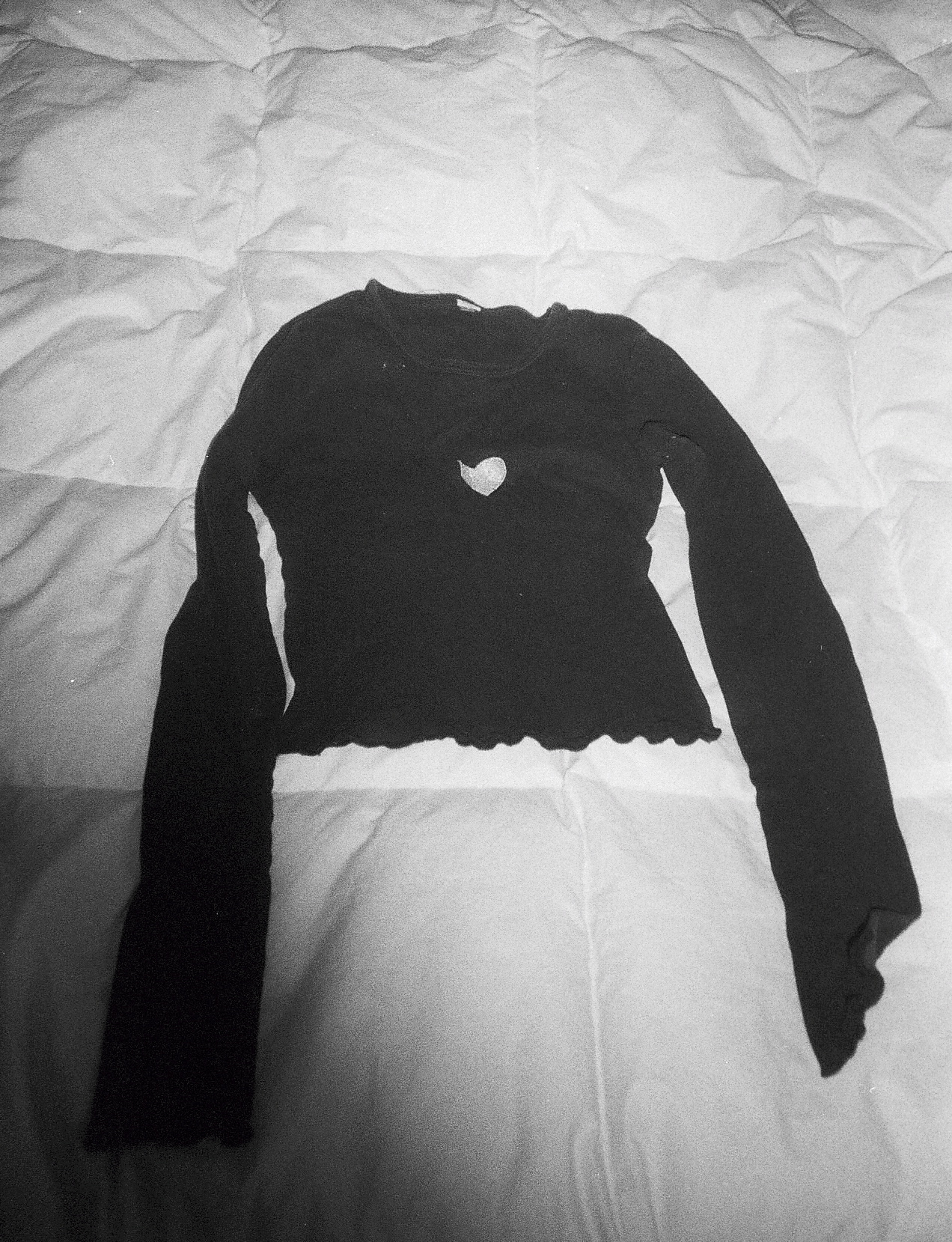
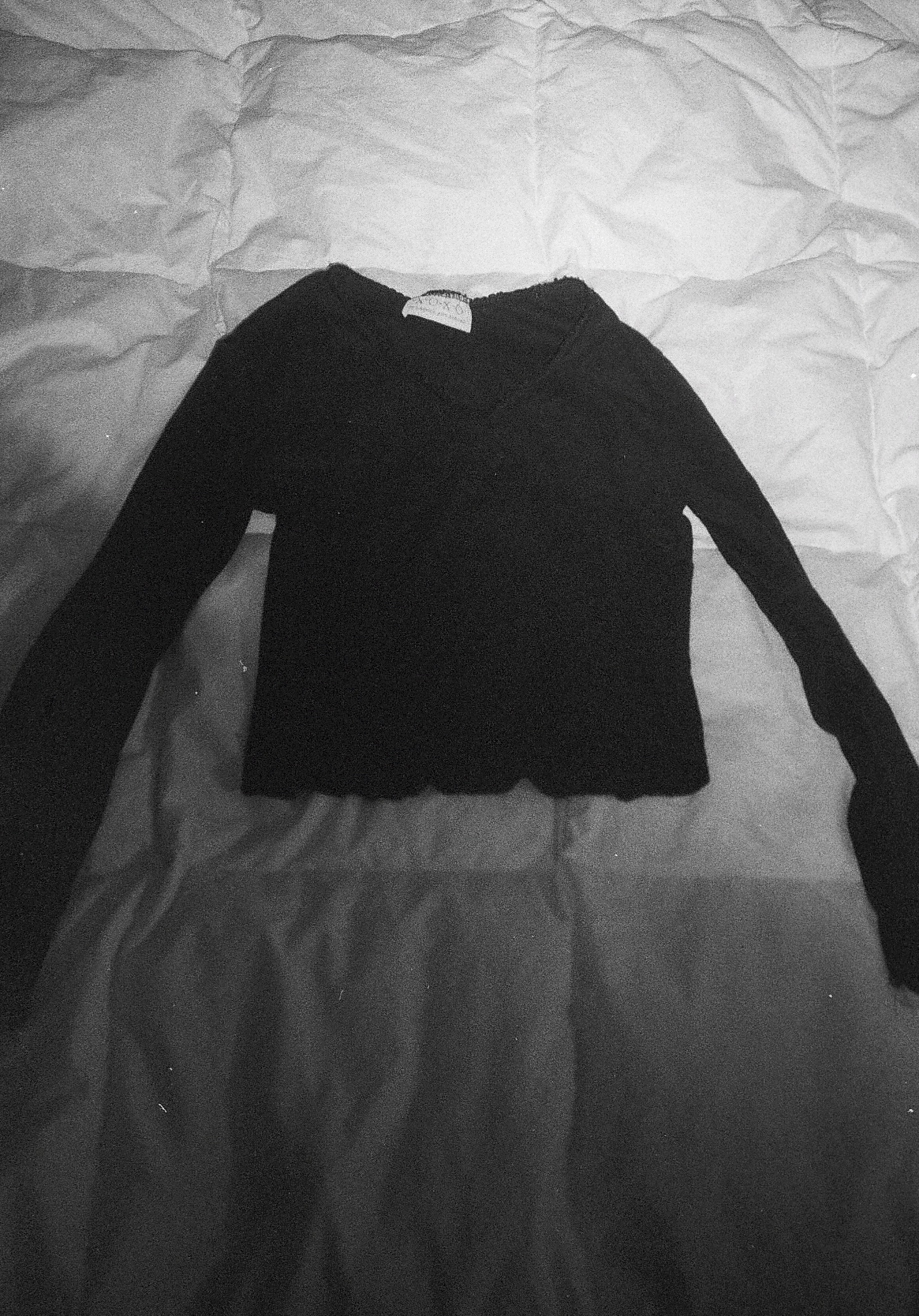
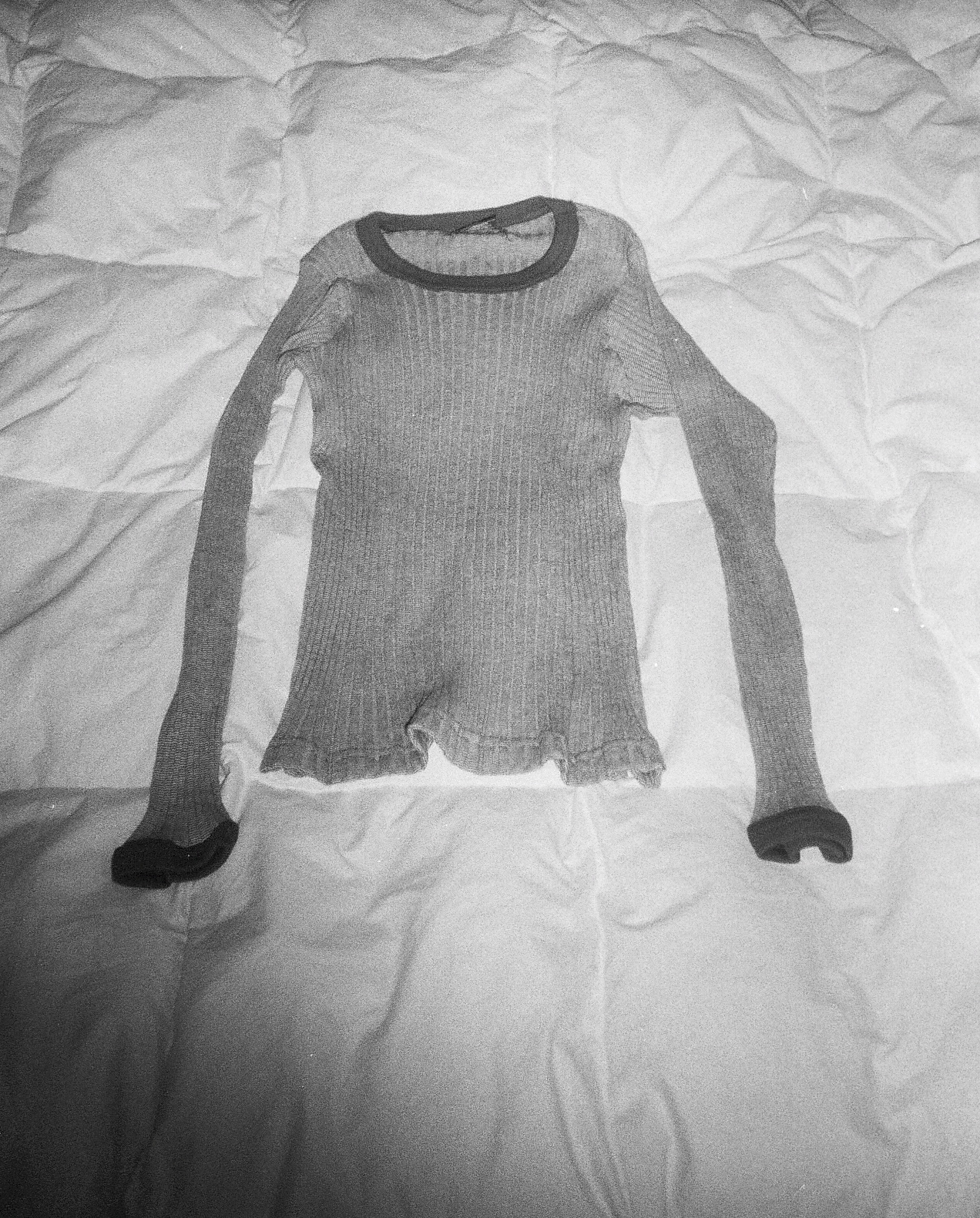
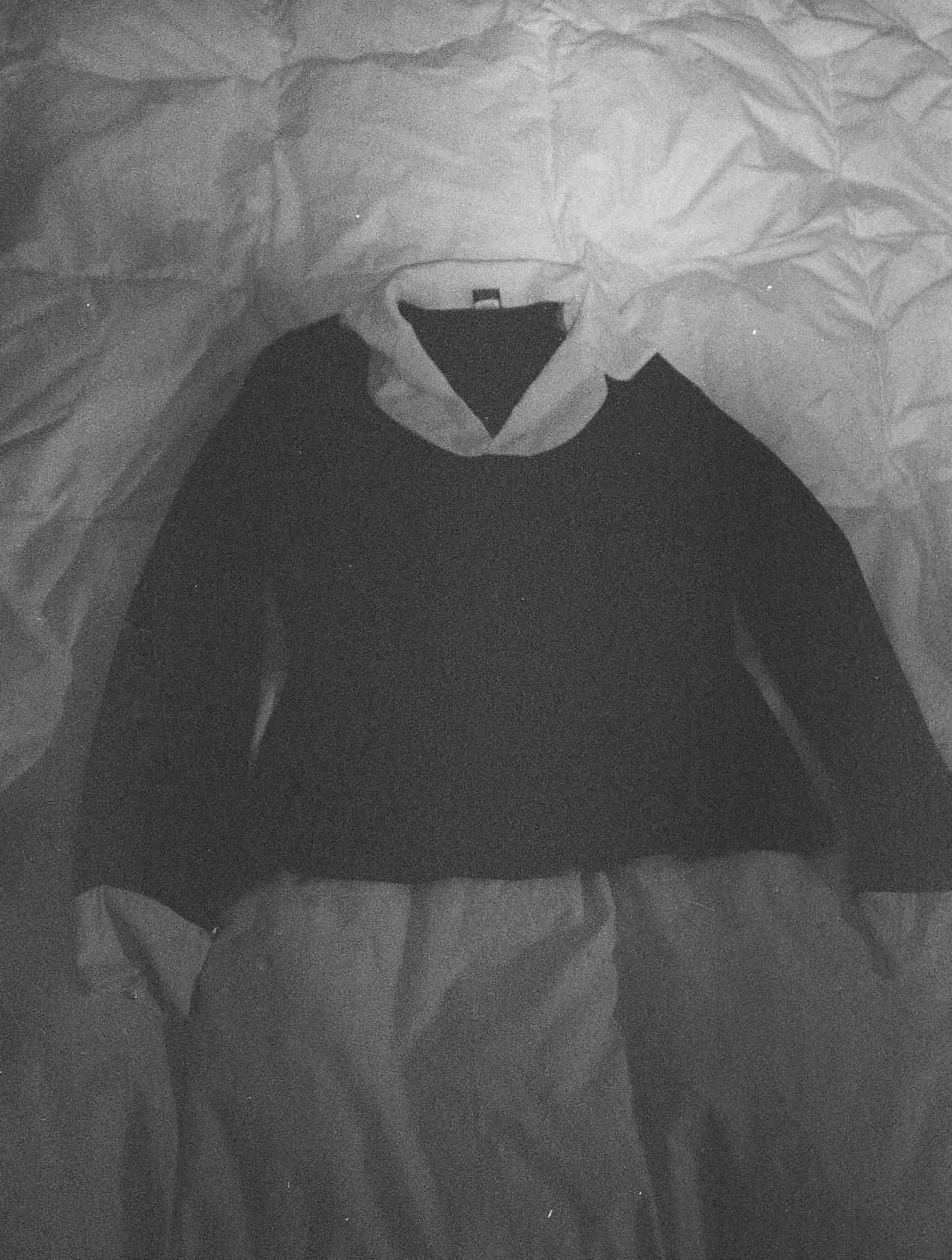
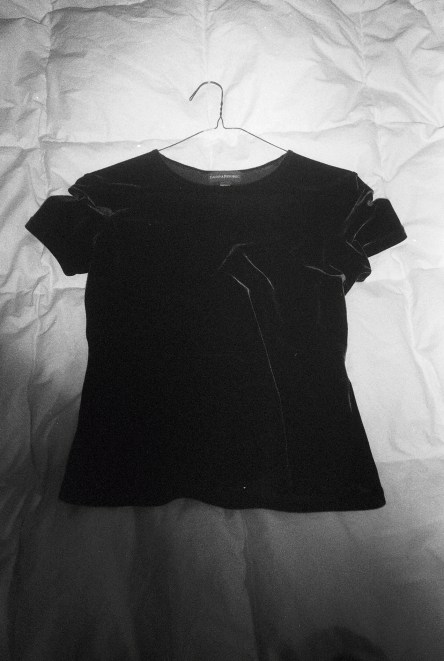
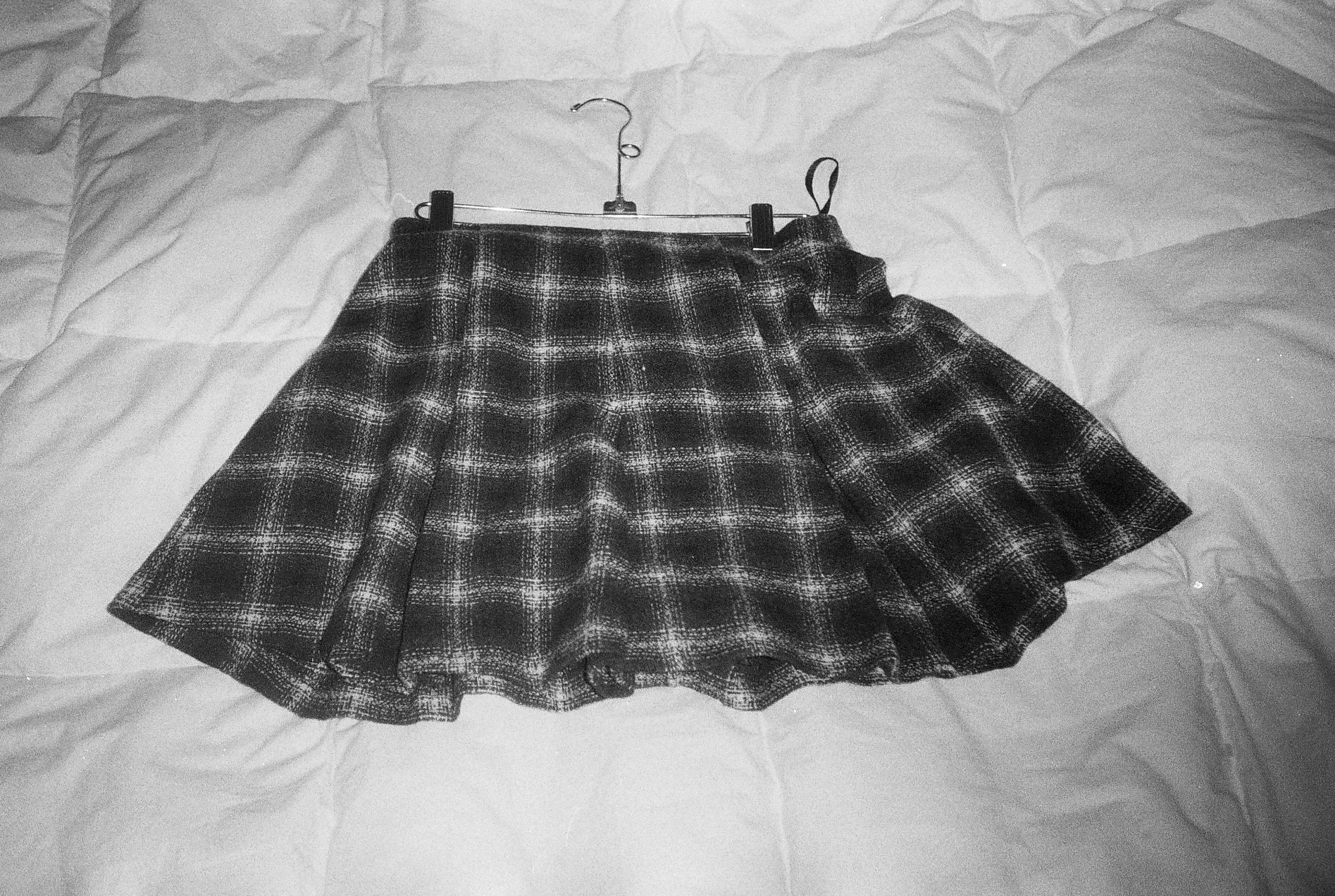
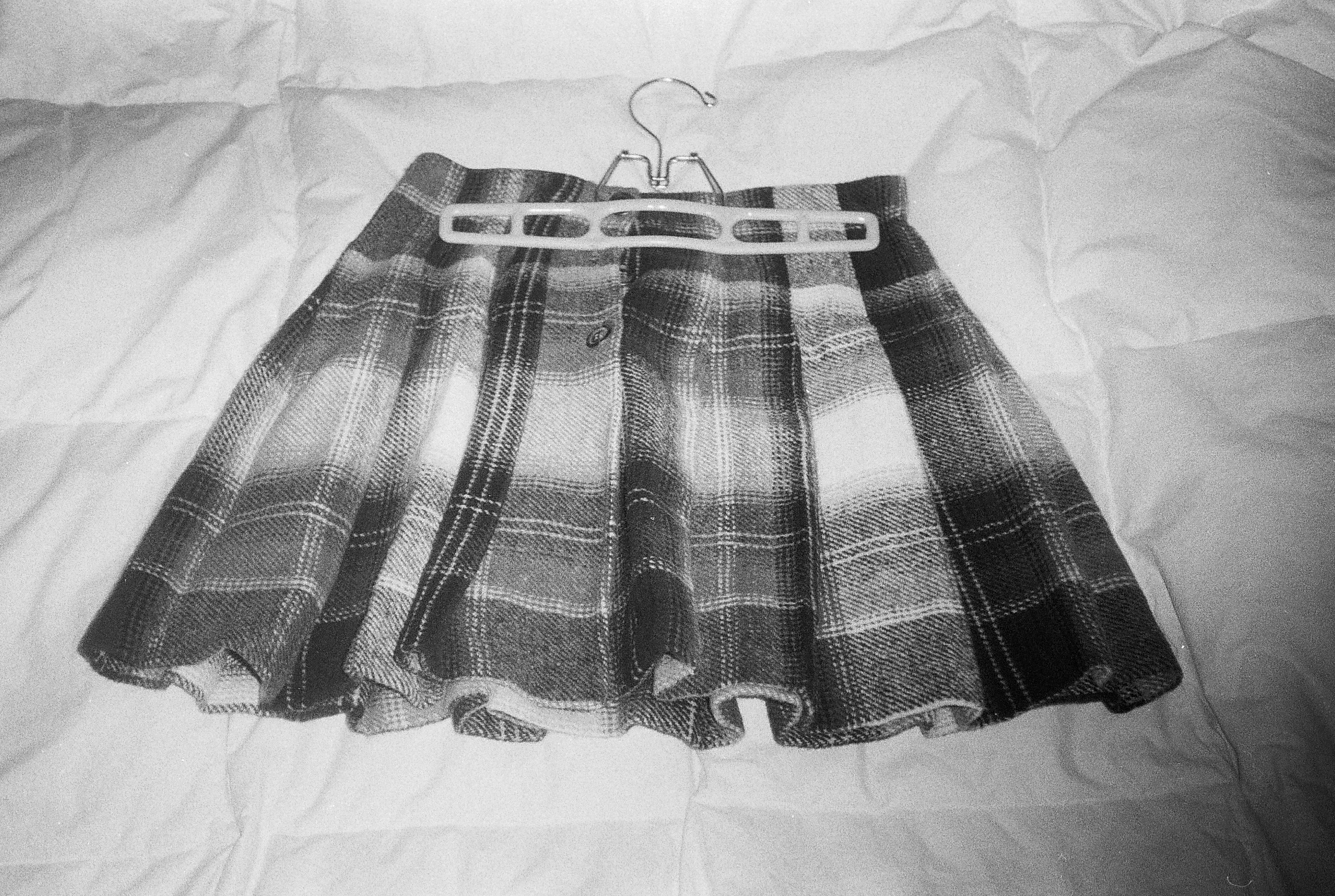
Abbey leaves the cinema, riding the upside of existentialism: “None of it matters!” And before the crash of, “shit, nothing matters…” there’s the ecstatic wave of power and freedom that comes with feeling utterly inconsequential. This is the emotional wave she rides to the film developers. For the first time, she wants to see the images she took on September 11th. She wants to discover the minutia that the film captured, but that her mind could not. 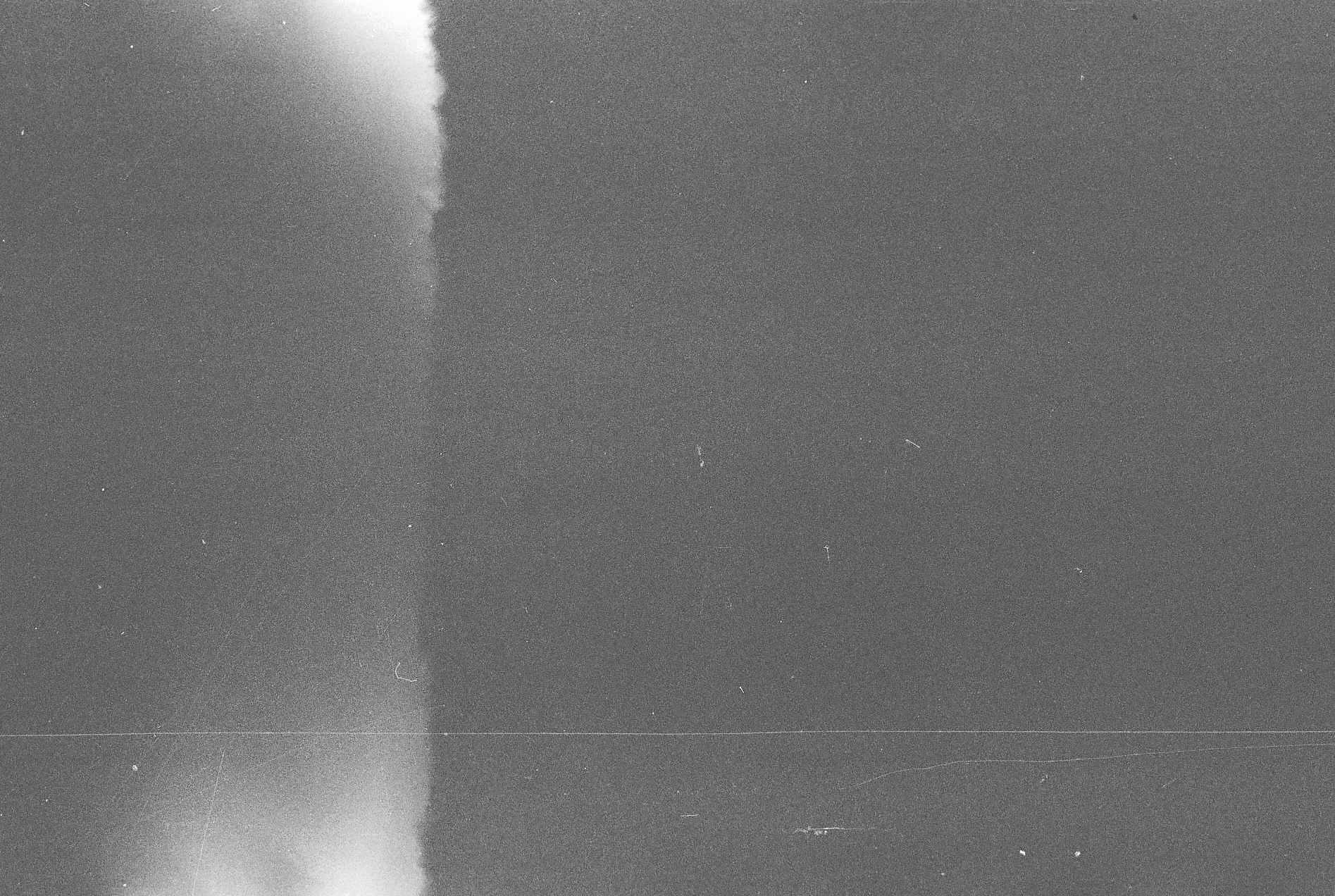 It all comes back as grayscale. Not a single discernible image of the towers or of the dust caked men in three-piece suits moving, zombie-like, up Broadway. Nothing. The only images that developed successfully are black and whites of a high-school, Abbey Shaine’s wardrobe. All of her favorite accessories and items of clothing, laid across the teenage Abbey Shaine’s bare down comforter and carefully photographed are the placeholders for the most traumatic event of New York City’s recent history. Abbey Shaine flips through the photographs repeatedly hoping to find some detail, something, anything from 9/11. Mostly she’s incredulous that history should allow her archive to be forever lost and in its place she’s left with the emo version of a Wet Seal catalogue.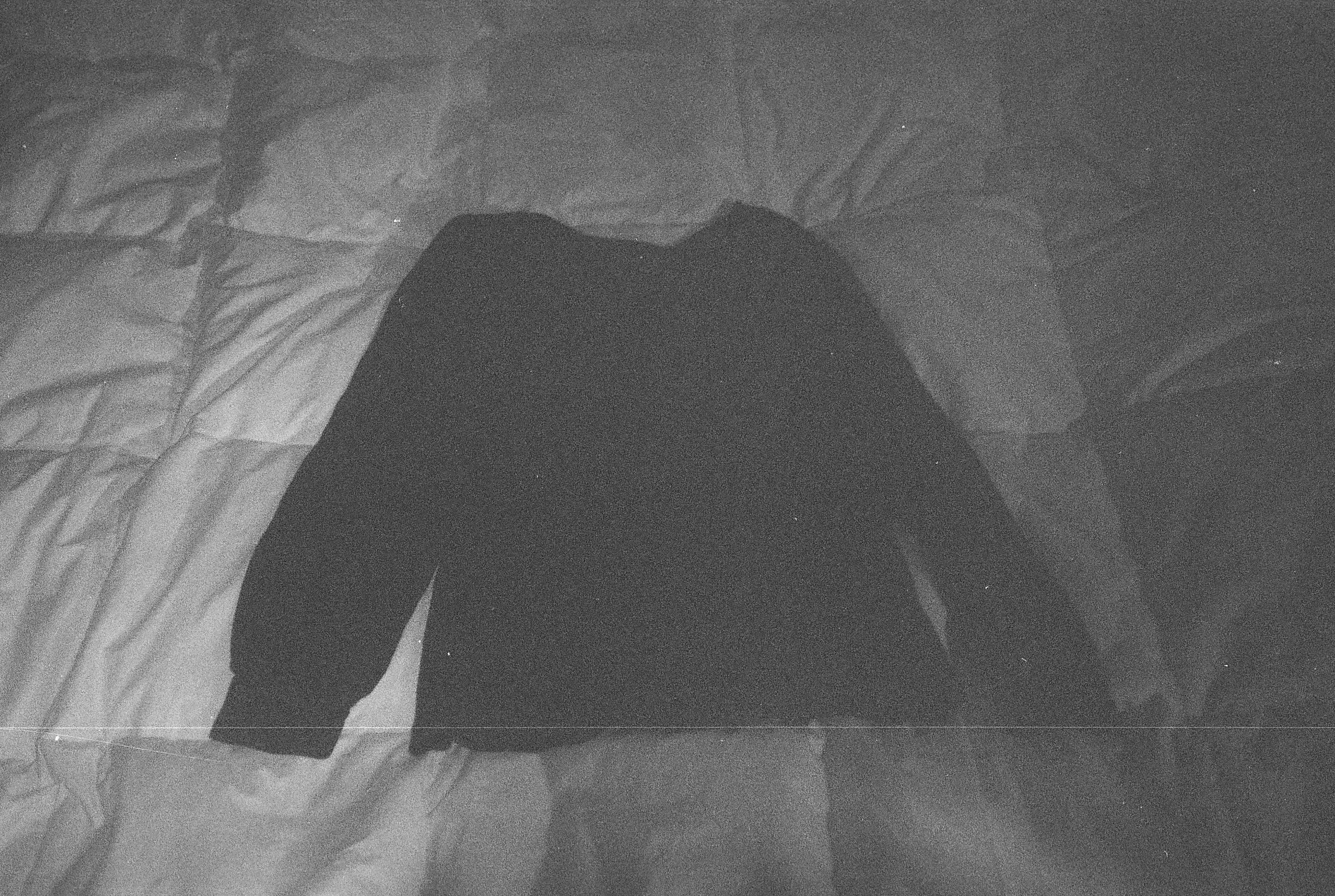


 abjour